This is the homepage of the Nijmegen Principles & Guidelines on Interim Measures for the Protection of Human Rights. On this page, you can find out more about the drafting history of the document, the creators of and contributors to the document and its contents.
Download or read directly:

Background
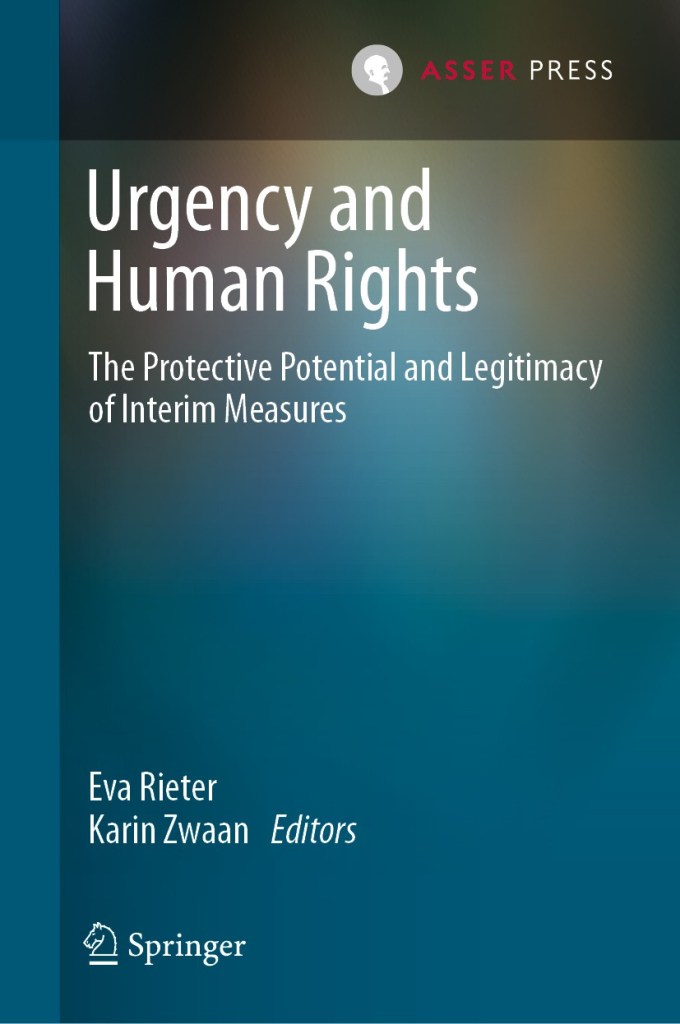
Since the 1990s, the group of scholars and practitioners has been conducting research on the role of independent international bodies, both courts and quasi-judicial bodies (hereinafter international adjudicators), in urgent human rights situations that may lead to irreparable harm. This research is reflected in, among others, a book, entitled Urgency and Human Rights, The Protective Potential and Legitimacy of Interim Measures (Asser Press, 2021). The text of the Nijmegen Principles was confirmed at online meetings on April 29 and May 26, 2021. The Nijmegen Principles 2021 confirm, and have been inspired by, the mature systems of interim measures that the various adjudicators have developed.
-
For more information about the drafting history of the document, go to the Drafting History.
For more information about the expert group, go to the Expert Group.
For more information about the practical effects of the Nijmegen Principles & Guidelines, go to Follow Up NPGIM.

Frequently asked questions
What are the Nijmegen Principles & Guidelines?
The “Nijmegen Principles and Guidelines on Interim Measures for the Protection of Human Rights” clarify the nature, purpose, and binding force of interim measures in international human rights law and set out how states and human rights bodies should handle them. Interim measures are urgent orders from courts or treaty bodies (e.g. ECtHR, Inter‑American Court, UN treaty bodies) to prevent irreparable harm before the final decision. The Principles and Guidelines explain that states must comply with such measures in good faith, ensure their domestic implementation, and protect individuals at risk, including when the risk comes from non‑state actors. They also recommend good practices for international and domestic bodies to strengthen the effectiveness and clarity of interim measures.
What’s the legal status of the Nijmegen Principles & Guidelines?
They are a soft‑law instrument (expert standards) adopted in 2021. They aim to bring together and clarify existing practice on interim measures across different human rights systems (UN, regional courts, etc) and to guide international and regional adjudicators and treaty bodies, lawyers and NGOs using interim measures and states.


